
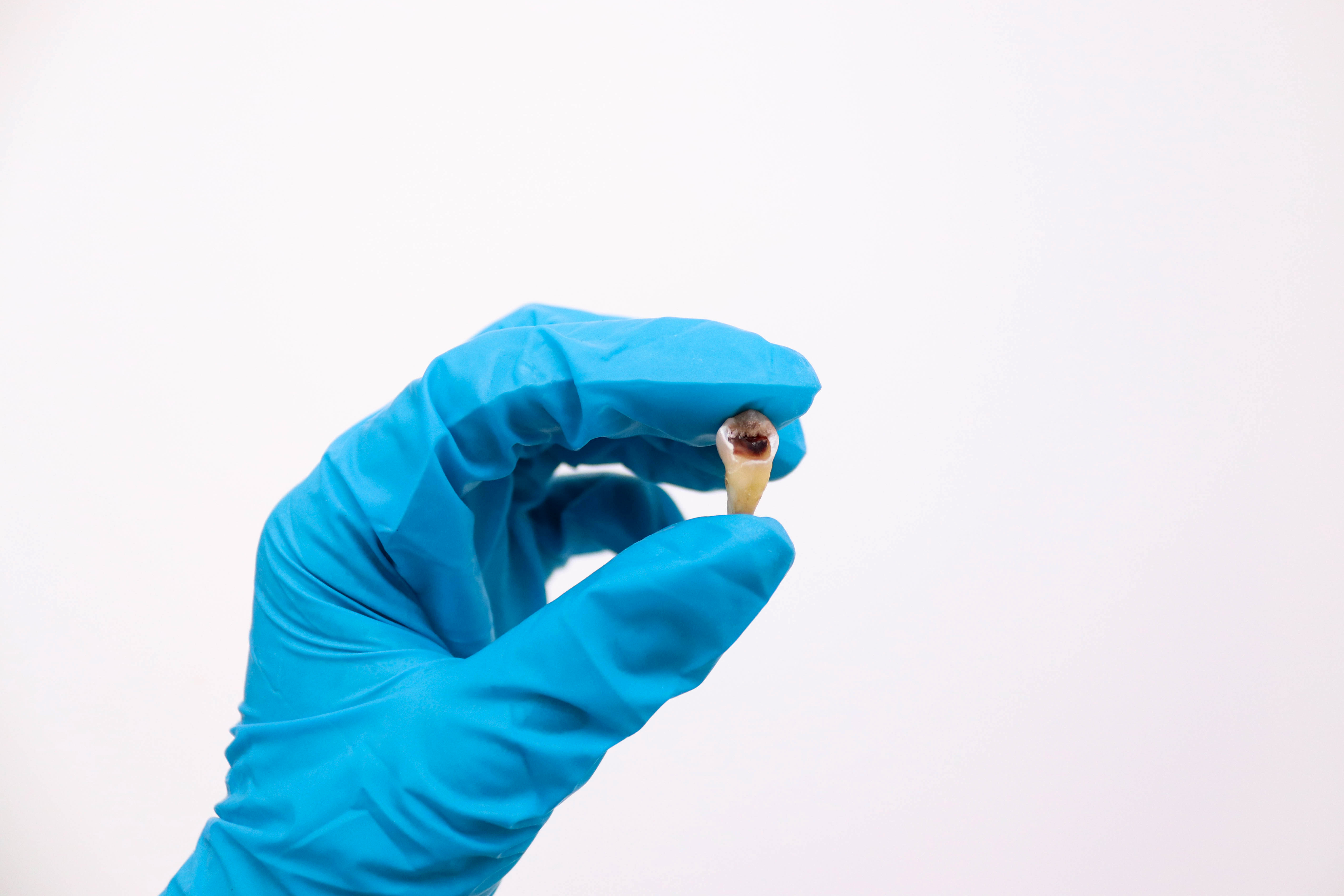
Tooth extraction is performed by a dentist, oral surgeon, or dental therapist when other treatments have failed to address existing dental problems. In many situations, modern dental innovations make it possible to save natural teeth, and extraction is considered a last resort.
When Should I Get a Tooth Extraction?
There are several reasons why you may need a tooth extraction.
Severe decay and infection: If a cavity isn’t treated in time, it can spread deep into the tooth and reach the pulp – the inner part of the tooth that contains blood vessels, nerves, and connective tissue. This can lead to a serious infection or an abscess – a painful pocket of pus. If the damage is too severe, the tooth may need to be removed.
Gum disease: If you have advanced gum disease, called periodontitis, the gums and bone that support the teeth become seriously damaged. If left untreated, it can lead to loose teeth and, eventually, tooth loss.
Injury or trauma: Accidents – like sports injuries or falls – can crack or break a tooth. Sometimes, the damage is so severe that the tooth needs to be taken out.
Crowding: If your mouth is too small for all your teeth, removing one or more may help make space, especially before getting braces or other orthodontic treatment.
Impacted teeth: These are teeth that don't fully come in, often getting stuck under the gums. They may need to be removed to prevent pain or damage to nearby teeth.


How to Prepare for a Tooth Extraction
If you have a tooth extraction scheduled, take the following steps to prepare for the procedure:
Inform your dentist of any health conditions: Be sure to tell your dentist about any health conditions you may have, such as a congenital heart defect, diabetes, high blood pressure, artificial joint replacements, etc. It’s also important to provide a complete list of current medications, including prescription drugs, over-the-counter medications, vitamins, and herbal supplements. If you're taking a blood thinner, be sure to mention it, as this may affect your treatment plan.
Consider taking vitamin C: Starting it about two weeks before your surgery may help your body heal faster by supporting your immune system and tissue repair.
What to Expect After Extraction
Recovery from your tooth extraction typically takes a few days. The following suggestions can help speed up the healing process.
DAY OF THE SURGERY
-
Gently bite down on the gauze pads for about one hour, ensuring it remains over the surgical site. This helps control bleeding and form the clot.
-
After an hour, remove the gauze and assess the surgical site. If bleeding continues, moisten and fold 2-3 gauze pads together and place them directly over the surgical area. Make sure your hands are clean before touching your mouth or gauze.
-
If excessive bleeding persists, moisten a tea bag and place it over the extraction site for 30-60 minutes. The tannic acid in the tea helps form a clot.
-
Take over-the-counter pain relievers such as acetaminophen or ibuprofen immediately after the procedure. Don't wait for pain to set in. You can take acetaminophen every 3-4 hours or ibuprofen every 6-8 hours to relieve discomfort. Avoid taking aspirin.
-
Swelling is normal and may worsen 2-3 days after surgery. To minimize swelling, immediately apply ice packs. Wrap a bag of ice or ice packs in a towel and apply it to the outside of your face for 15 minutes on and 15 minutes off until bedtime.
-
Take it easy for the first few days after surgery. Avoid exercising.
-
Avoid rinsing your mouth for the first 24 hours after extraction to allow a clot to form.
-
Avoid using a straw for three days following surgery.
-
Avoid smoking for at least 48 hours. Smokers are at a higher risk of complications after extraction.
-
Avoid alcohol for 48 hours after extraction.
-
Brush and floss your teeth as usual, but be gentle around the extraction area to avoid disturbing the healing site.
-
Eat a soft or liquid food diet such as soup, yogurt, ice cream, mashed potatoes, or pasta. If possible, chew on the opposite side of the extraction site. Avoid hot, hard, sharp, and spicy foods like chips, seeds, nuts, and popcorn.

DAY 2 AND BEYOND
-
Gently rinse 3-4 times a day with warm salt water, starting 24 hours after extraction. Use one teaspoon of salt in a glass of water. Hold the salt water in your mouth for one minute, gently swish the solution around, and then spit it out. Repeat rinses after every meal and snack for the next few days.
-
Keep brushing your teeth twice a day and flossing once a day.
-
Continue eating a liquid or soft food diet for the next couple of days. Drink plenty of water and consider taking vitamin C to support the healing process.
-
It is normal to feel sharp edges with your tongue around the socket.
-
Contact our clinic immediately or go to the emergency room if you experience severe pain, fever, pus, or drainage from the incision.