
Gum disease, also called periodontal disease, is a common but serious problem that affects the gums and bones that support your teeth. If left untreated, it can lead to tooth loss and may be linked to other systemic health problems. Early detection and proper oral hygiene are essential to managing and preventing this disease.
What Is Gum Disease?
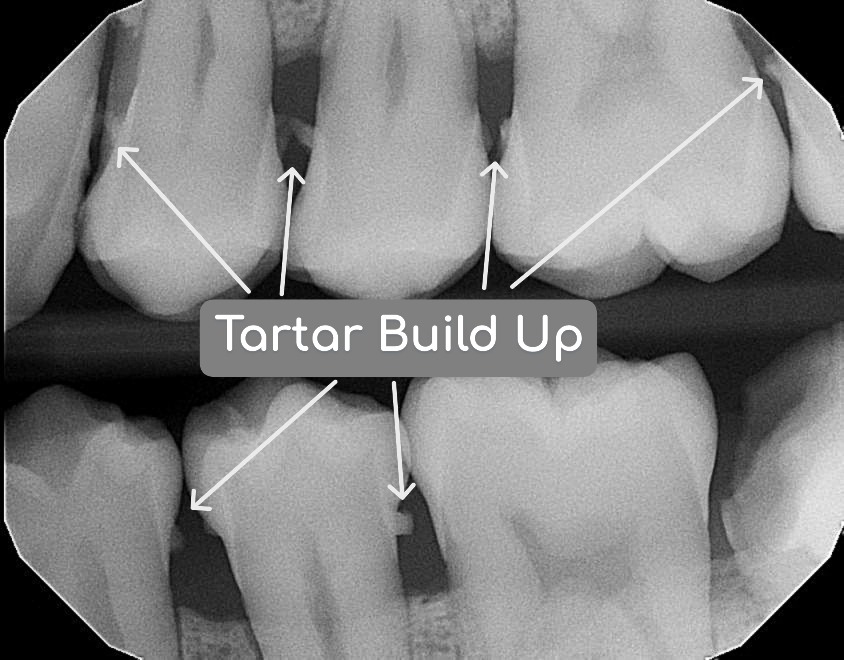
Gum disease starts when a sticky layer of bacteria, called plaque, builds up on your teeth and along the gumline. If plaque isn’t removed, it hardens into tartar, which can’t be cleaned with a toothbrush.
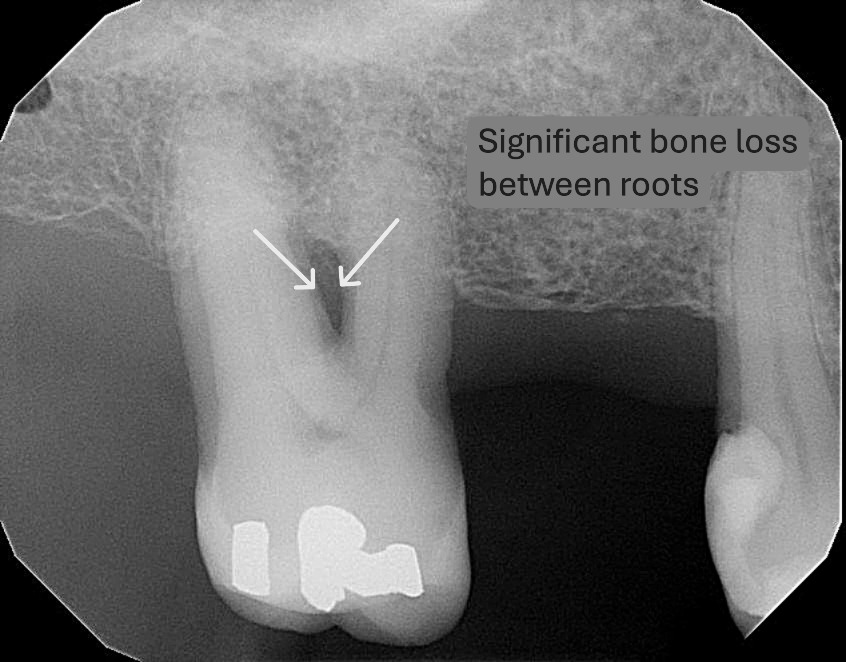
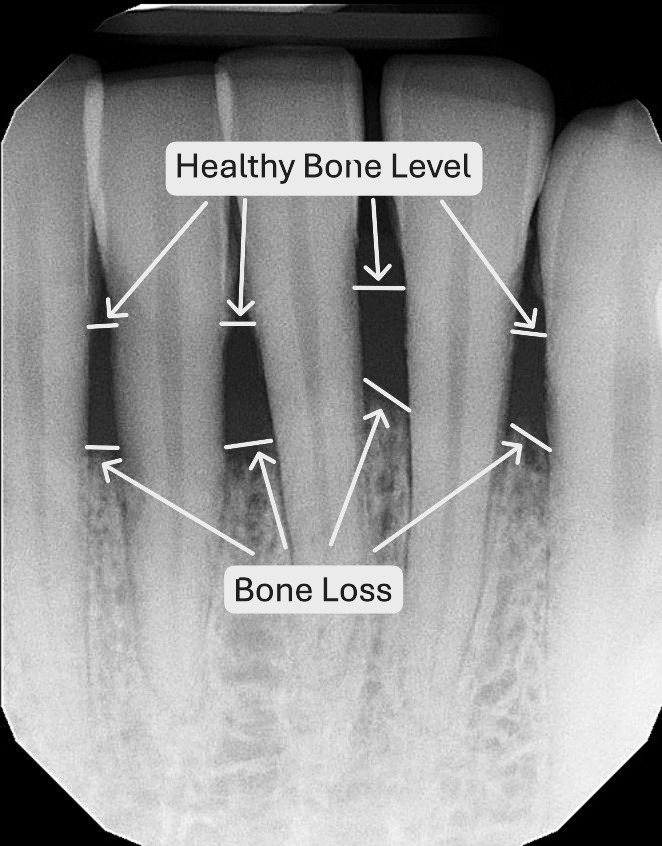
This build-up can irritate the gums, causing them to become red, swollen, and sore. Over time, the gums may pull away from the teeth, forming pockets where more bacteria can grow. This can damage the bone that holds your teeth in place, and if it gets worse, teeth may become loose or fall out.
One of the tricky things about gum disease is that it often doesn’t cause pain at first. Many people don’t know they have it until the damage is more serious.
Causes and Risk Factors
Several factors can contribute to the development of gum disease.
- Poor oral hygiene: Not brushing and flossing regularly allows plaque to build up.
- Tobacco use (including smoking, chewing, and vaping): All forms of tobacco can increase the risk of gum problems.
- Hormonal changes: Pregnancy, puberty, or menopause can make gums more sensitive.
- Systemic conditions like diabetes can make it harder for the body to fight infections, including gum disease.
- Genetics: Some people are more likely to get gum disease because of family history.
Symptoms to Watch For
Knowing the signs of gum disease can help you catch it early:
- Red, swollen, or tender gums
- Gums that bleed easily when brushing or flossing
- Persistent bad breath or bad taste in the mouth
- Receding gums or longer-looking teeth
- Loose or shifting teeth
- Pain when chewing
If you notice any of these symptoms, it’s important to see a dental hygienist promptly.
Stages and Treatment of Gum Disease
Gum disease progresses in stages, from mild inflammation to severe damage to the gums and bone. Your dentist and dental hygienist will recommend the best treatment based on your condition.

Gingivitis
This is the earliest stage of gum disease and is caused by the buildup of plaque at the gumline. Symptoms include red, swollen gums that may bleed when you brush or floss. At this stage, there is no bone loss, and the condition is usually reversible with proper oral care and professional cleanings.
Treatment:
- A professional dental cleaning removes plaque, tartar, and harmful bacteria from above and below the gumline.
- With regular dental visits and good oral hygiene at home, including brushing twice a day and flossing daily, gingivitis can often be completely resolved.
Periodontitis
If gingivitis is not treated, it can progress to a more severe form of gum disease called periodontitis. In this stage, the gums and bone begin to pull away from the teeth, forming deep pockets that can become infected. The body’s immune response, along with toxins produced by bacteria, starts breaking down the bone and connective tissues that hold teeth in place.
Treatment:
- A deep cleaning procedure called scaling and root planing is typically recommended. This treatment smooths the root surfaces and removes plaque and tartar from below the gumline, helping the gums reattach to the teeth.
- Additional therapies, such as antimicrobial treatments or localized antibiotics, may be used depending on the severity.
Advanced Periodontitis
In the most severe stage of gum disease, the connective tissues and bone that support the teeth are significantly damaged or destroyed. This can cause teeth to loosen, shift, or even fall out.
Treatment:
- A deep cleaning (scaling and root planing) may still be recommended, but in many cases, more advanced treatment is needed.
- Patients are usually referred to a gum specialist known as a periodontist for evaluation and more advanced care.
- Surgical treatments are often needed. One common surgery is called flap surgery, where the gums are gently lifted to clean deep under them, then put back in place. If the bone around the teeth is damaged, a bone graft can help rebuild it. If the gums have pulled away from the teeth, soft tissue from another part of the mouth can be used to cover the roots and protect them.
- In cases where teeth cannot be saved, tooth extraction and dentures or dental implants may be considered.
Prevention Tips
Good oral hygiene and healthy habits can help prevent gum disease or keep it from getting worse:
- Brush your teeth twice a day with fluoride toothpaste.
- Floss daily to remove plaque between teeth.
- Visit our clinic regularly for cleanings and check-ups.
- Avoid smoking or vaping, both increase your risk of gum disease.
- Eat a balanced diet to support your immune system. Foods rich in omega-3, such as salmon, mackerel, and walnuts, along with turmeric, green tea, and berries, can help reduce inflammation in the body.
Gum disease is common, but it's also largely preventable. If you suspect any signs of gum disease, schedule an appointment as soon as possible. Early treatment can save your smile and improve your overall health.
